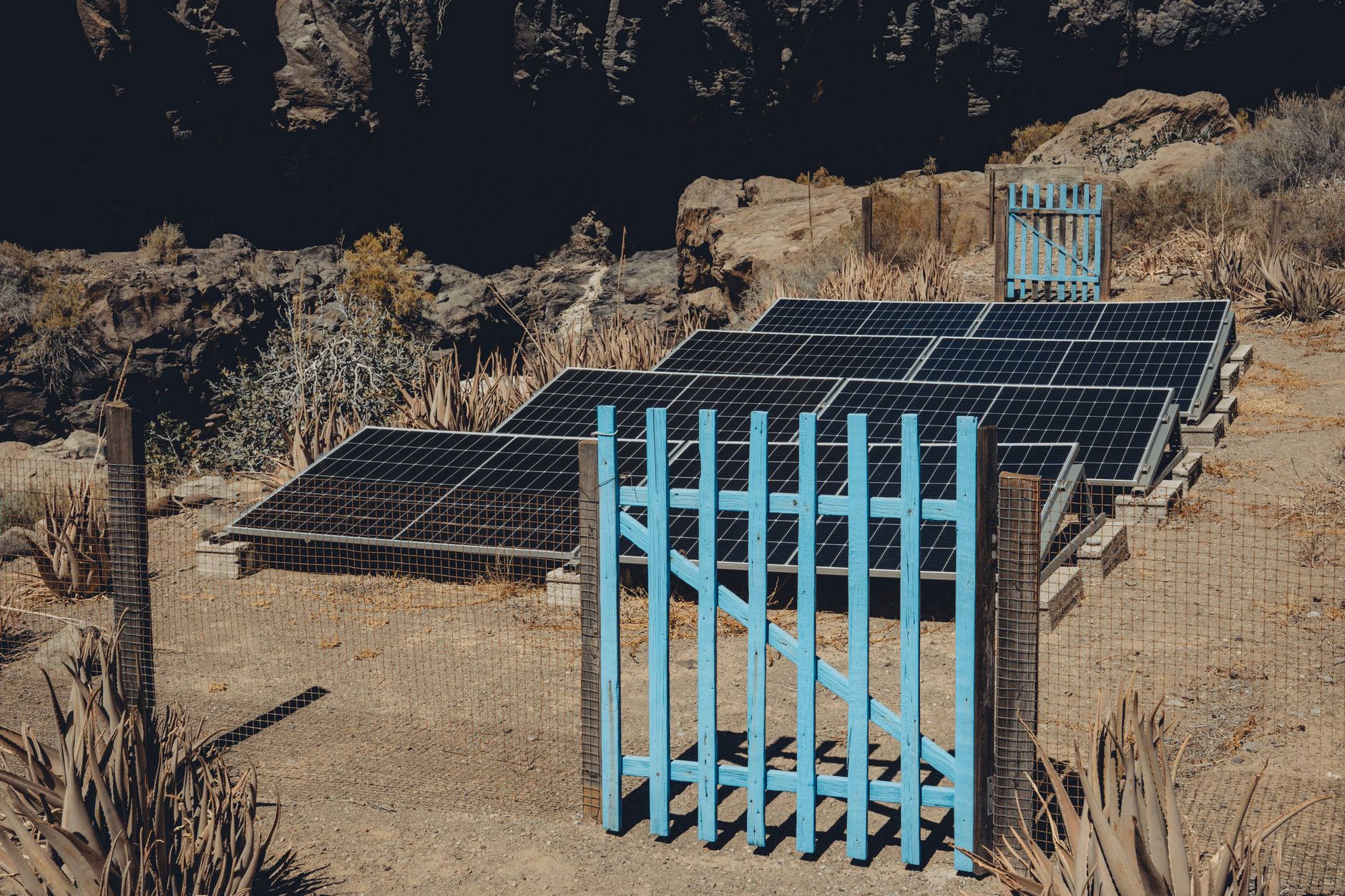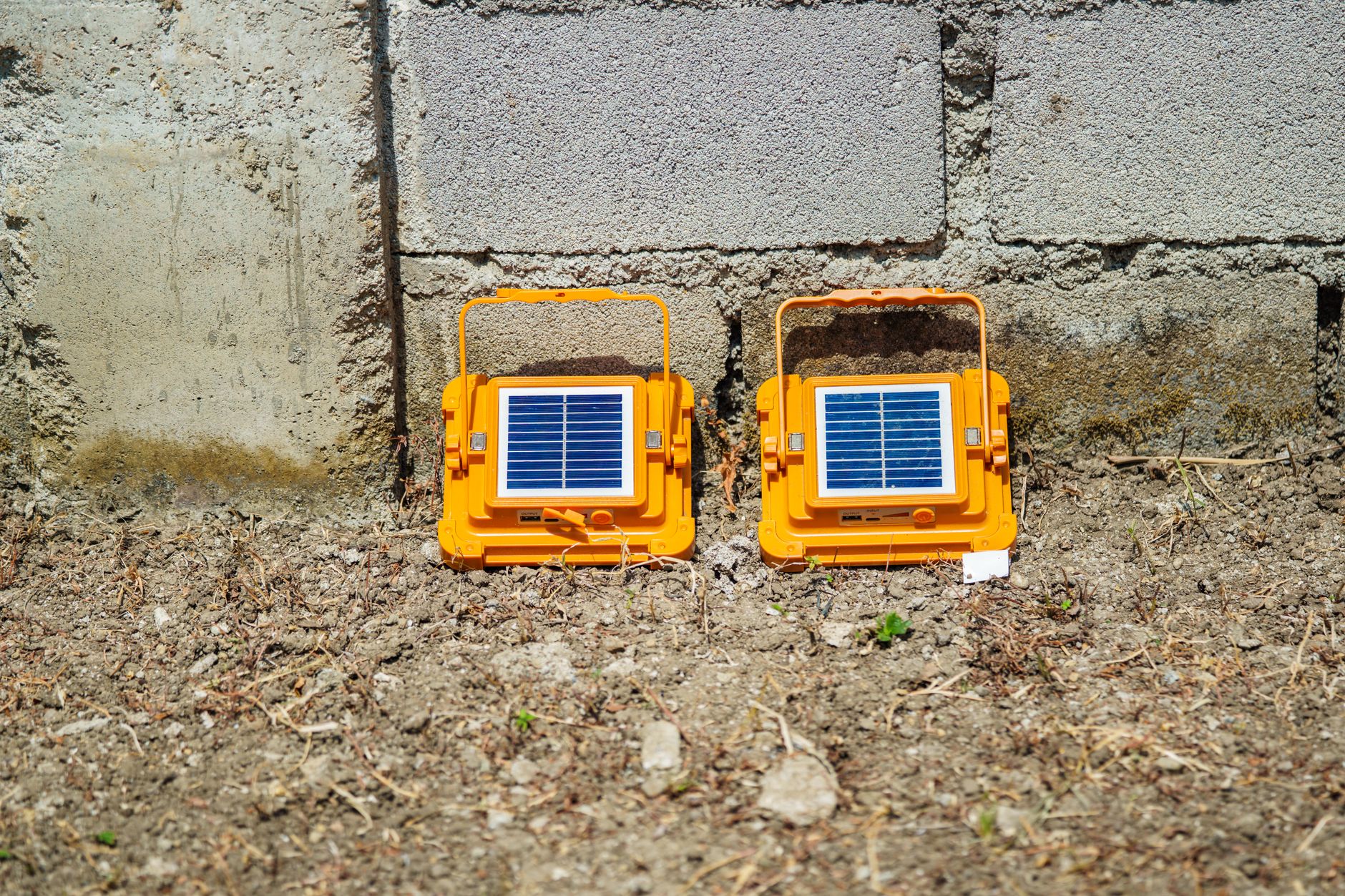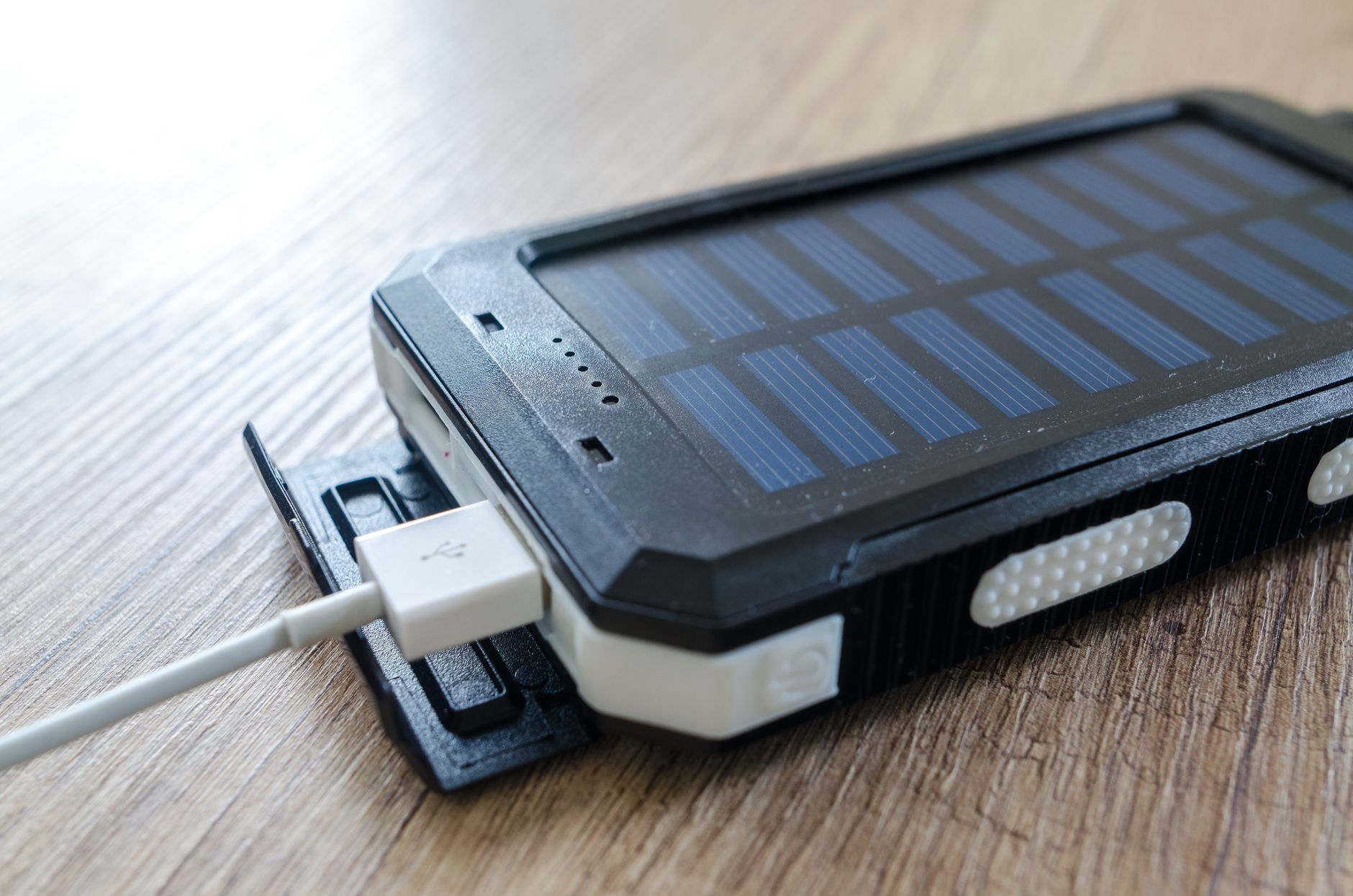
Photo by Vladimir Srajber

RV Power Station Comparison: 5 Best Picks for 2026

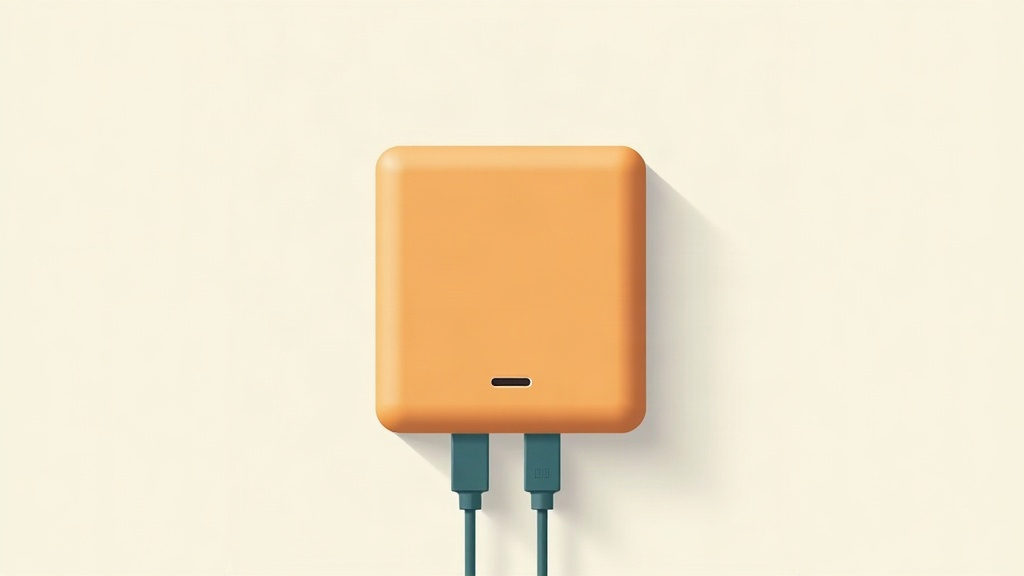
Quick Answer: The EcoFlow DELTA Pro 3 is the best all-round RV power station for 2026, with 4,000W continuous output and 4,096Wh of capacity. If you mainly run a roof air conditioner on weekend trips, the Jackery Explorer 3000 Pro is simpler. Budget shoppers should look at the BLUETTI AC200L and its built-in 30A RV outlet. RV season in Ontario runs from the May long weekend to Thanksgiving, and the electrical pedestals at most provincial parks top out at 30 amps. That is enough for lights, a fridge and a laptop charger. Add a roof air conditioner or an induction cooktop and the pedestal breaker trips. A portable power station fills that gap, and unlike a gas generator it can run inside the coach or under the awning with no exhaust at all. If you already own a small unit for tailgates, our portable power station guide explains where those compact models stop being useful. This comparison covers five units that hold up under real trailer loads. ...
September 20, 2026 · 14 min · Jarrod Gravison
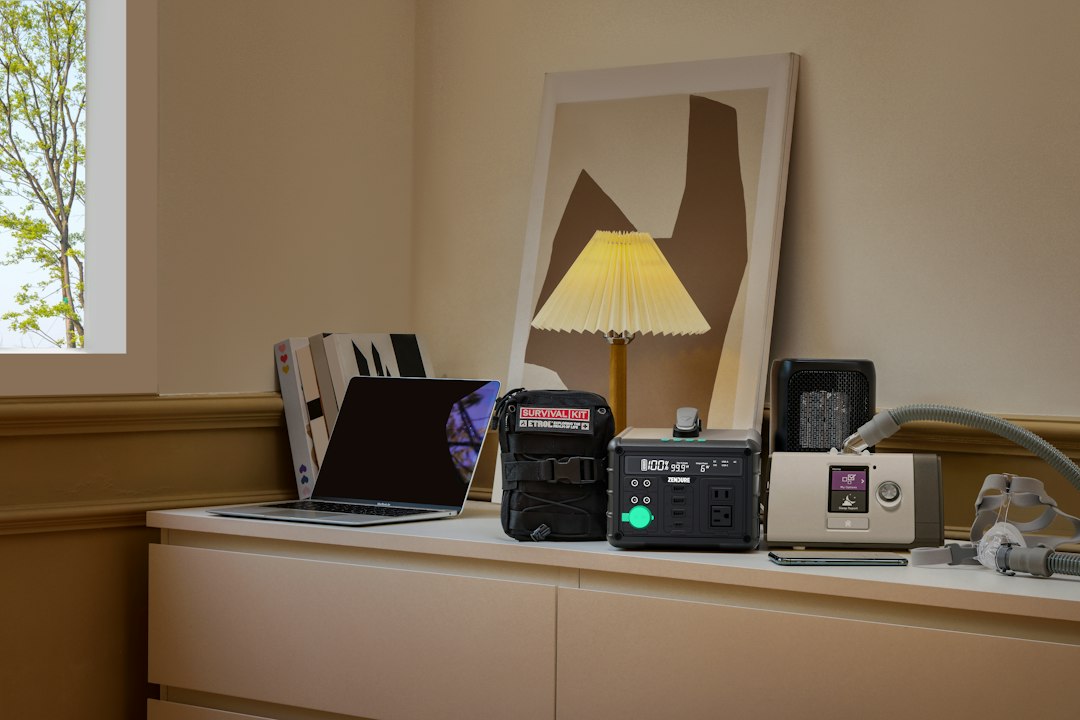
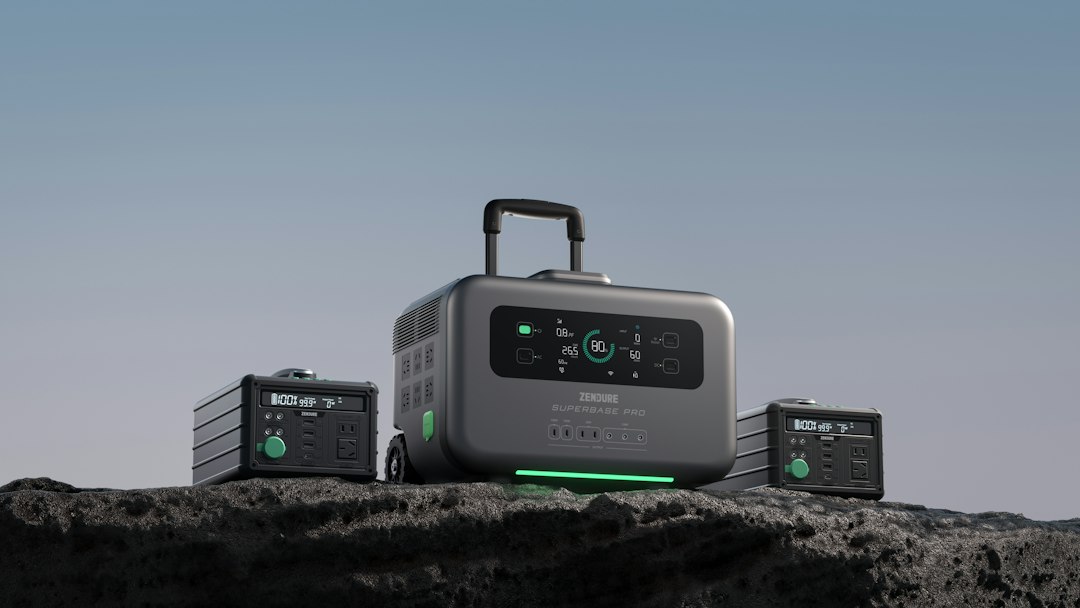
Photo by Zendure Power Station on Unsplash

Best 300 Watt Power Station: 6 Picks for Ontario Homes

Quick Answer: For most Ontario homes, a 300W power station covers phones, laptops, a router, and a small fridge for a few hours, but not a furnace or sump pump. Look for 600W surge, lithium iron phosphate chemistry, and CSA or ETL certification. Our top pick is the EcoFlow River 3 for its 300W output and 600W surge. Ontario’s grid is reliable most days, but ice storms, freezing rain, and summer heat waves still knock out power for hours or days. In 2023, an ice storm left more than 100,000 homes in eastern Ontario without electricity. A small 300 watt power station will not run your furnace, but it will keep phones charged, the internet running, and a few lights on. For a deeper look at outage patterns, see our emergency power statistics for 2026. Prepare for winter with a full checklist that covers heat, food, and communications. ...

September 20, 2026 · 15 min · Jarrod Gravison
Photo by Zendure Power Station on Unsplash

Lithium Power Station Comparison: 5 Best Picks for Ontario

Quick Answer: For most Ontario homes, a 3,000Wh to 6,000Wh LFP power station with 3,000W or more of continuous output covers a fridge, furnace blower, internet, and lights for one to two days. Buy native 240V output if you have a well pump, and pair the unit with solar for outages longer than 48 hours. Ontario’s grid is dependable most days and forgettable on the worst ones. A February ice storm, a July thunderstorm, or a failed transformer on your street can leave a suburban block dark for anywhere between four hours and four days. Anyone who has spent a night melting snow for drinking water knows how quickly that stops being an adventure. Our ice storm outage playbook covers the household prep side, but the hardware question comes down to one thing: what actually keeps a fridge, a furnace blower, and an internet connection alive when the utility truck is still two days out. Lithium power stations have quietly moved from camping accessory to legitimate short-term backup. ...

September 16, 2026 · 15 min · Jarrod Gravison
Solid State Power Bank: Ontario Home Backup Comparison Guide

Solid State Power Bank: Ontario Home Backup Comparison Guide

Quick Answer: Solid state power banks are not yet available for home backup. Today, the best alternatives are lithium-ion portable power stations like the EcoFlow Delta Pro Ultra and home batteries like the Tesla Powerwall 3. In Ontario, any transfer switch needs an ESA permit. Expect solid-state options within 2-3 years. Ontario’s grid is under strain. From ice storms in Ottawa to heat-wave brownouts in Toronto, outages are getting longer and more frequent. The emergency power statistics for 2026 show the average Ontario home now loses power for 14 hours per year, up from 8 hours a decade ago. If you are shopping for a solid state power bank, you are probably looking for a battery that charges fast, lasts decades, and does not catch fire. That is exactly what solid-state technology promises. But here is the hard truth: you cannot buy a true solid-state power bank for home backup today. Not in Ontario, not anywhere. ...

September 15, 2026 · 11 min · Jarrod Gravison
Solar Panel for Power Station: 5 Best Options Compared

Solar Panel for Power Station: 5 Best Options Compared

Quick Answer: For most Ontario homes, a 200 W to 220 W folding solar panel is the right first match for a portable power station. Expect 0.9 to 1.3 kWh per day in spring and fall, less in December. Match panel voltage to your station input, use MC4 or the supplied adapter, and buy CSA-certified gear. Ontario power outages are getting longer when ice storms and windstorms hit. A portable power station can keep a fridge, medical device, or router running, but the battery will drain. A solar panel turns that station into a renewable backup source instead of a finite brick. In our emergency power statistics for 2026, we found that multi-day outages are becoming more common in rural and outer-suburban Ontario. The panel you choose is not a luxury accessory. It decides whether your station recharges during a week-long blackout or stays dead after the first day. ...

September 14, 2026 · 13 min · Jarrod Gravison
Best Car Jumper Packs for Ontario Drivers: 5 Tested Picks

Best Car Jumper Packs for Ontario Drivers: 5 Tested Picks

Quick Answer: A car jumper with 1,000 to 2,000 peak amps starts most Ontario passenger vehicles. For trucks or larger diesels, choose 2,000 amps or more. Lithium packs are lighter and hold charge longer, but they cannot run home appliances during an outage. Recharge every three to six months. Ontario drivers know the sound: a single click on a minus-25°C morning. The battery is dead. A car jumper, or portable jump starter, gets you moving without waiting for a tow truck or a neighbour with cables. But not all jump packs are the same. Some are tiny lithium bricks that fit in a glovebox. Others are heavy lead-acid boxes that can start a V8 and then inflate a trailer tire. This guide compares five common car jumper options for home backup and roadside use, with an eye on Ontario winters, CSA safety standards, and real Canadian prices. Before you buy, check our emergency power statistics 2026 to see why portable power is now part of serious household prep. ...

September 13, 2026 · 13 min · Jarrod Gravison
Portable Power Station for EV Charging: 5 Best Options

Portable Power Station for EV Charging: 5 Best Options

Quick Answer: A portable power station can only deliver Level 1 EV charging on 120 volts. Most provide 1,200 to 1,800 watts, adding roughly 5 to 15 km of range per hour depending on the vehicle. It works for emergency top-up, not daily charging. Use a CSA-listed station and direct charging cable. For many Ontario EV owners, the car is just another home appliance during an outage. But when a winter storm knocks out power for three days, a partially charged EV can become a very heavy paperweight. A portable power station will not replace a 240V Level 2 charger. It can, however, deliver a slow Level 1 top-up on 120 volts. That may be enough to reach a working charger, a hospital, or a family member’s home. In our experience, a 2,048Wh station running a 1,440W EVSE lasts about 1.3 hours and adds roughly 5 to 8 km. Everything changes when you move up to a 3,600Wh unit. See our Ontario ice storm power outage prep guide for the wider backup plan. ...

September 12, 2026 · 11 min · Jarrod Gravison
Best 240V Power Bank for Ontario Home Backup: 5 Tested Options

Best 240V Power Bank for Ontario Home Backup: 5 Tested Options

Quick Answer: A 240V power bank is a battery-powered inverter that can run 240V appliances like well pumps, electric water heaters, and heat pumps. For most Ontario homes, the EcoFlow DELTA Pro 3 balances 4,000W output, 8,000W surge, and expandable batteries. The Anker SOLIX F3800 is better for 6,000W loads. Always require CSA certification and use a licensed electrician for any transfer panel connection. Ontario homeowners are getting a painful education in grid fragility. Freezing rain, ice storms, and summer thunderstorms now routinely knock out power to rural, suburban, and even core city streets for 12 to 72 hours. The 2023 Ontario ice storm prep guide is still one of the most-read pages on this site, and for good reason. A 240V power bank sits in the middle of the conversation because it can run well pumps, electric water heaters, baseboard heaters, and larger fridges without the noise and carbon monoxide of a gas generator. The market has changed fast. Units that used to top out at 120V now include 240V outlets, stackable batteries, and inverters large enough to back up a serious chunk of a home. ...

September 11, 2026 · 13 min · Jarrod Gravison
Best 2000Wh Power Stations for Ontario Home Backup

Best 2000Wh Power Stations for Ontario Home Backup

Quick Answer: A 2000Wh power station can run a refrigerator, router, lights, and CPAP for 8 to 20 hours depending on load. Pick a LiFePO4 model with 2,400W to 3,000W output and CSA or UL certification. Expect to spend CAD $1,300 to $3,000. For panel backup, hire an electrician. A 2000Wh power station is the most common entry point for serious home backup in Ontario. It stores about two kilowatt-hours of energy. That is enough to keep a refrigerator, internet router, LED lights, and a CPAP running through a short overnight outage. It will not run an electric furnace or central air conditioner, and it is not a replacement for a standby generator. But for apartment dwellers, condo owners, and homeowners who want clean, quiet indoor backup, this size is practical. You can recharge it from a wall outlet, a vehicle, or solar panels. See our full list of best portable power stations for 2026 before you choose. ...

September 10, 2026 · 12 min · Jarrod Gravison
Best LiFePO4 Power Station for Ontario Home Backup in 2026

Best LiFePO4 Power Station for Ontario Home Backup in 2026

Quick Answer: For most Ontario homes, the EcoFlow Delta Pro 3 offers the best balance of 3,600W running output, 7,200W surge, and expandable LiFePO4 capacity. If you need maximum output, the Anker Solix F3800 leads at 6,000W. All units listed are safer than gas generators indoors, but you still need a transfer switch for whole-home backup. Ontario homes lost power more often than most people expect in 2025. Ice storms, summer thunderstorms, and aging local distribution lines all knock out the grid for hours or even days. A LiFePO4 power station is one of the few backup options that works indoors, runs silently, and does not need fuel. Unlike a gas generator, it produces no carbon monoxide and no exhaust. For many Ontario households, this is the quickest way to keep a fridge, a sump pump, and a phone running during an outage. Our top picks reflect what we would install for a neighbour in Toronto, Ottawa, or a rural township. Before you choose, compare these units against our full home backup power guide. ...

September 8, 2026 · 13 min · Jarrod Gravison
How to Prevent Home Battery Fires: Safe Installation and Maintenance

How to Prevent Home Battery Fires: Safe Installation and Maintenance

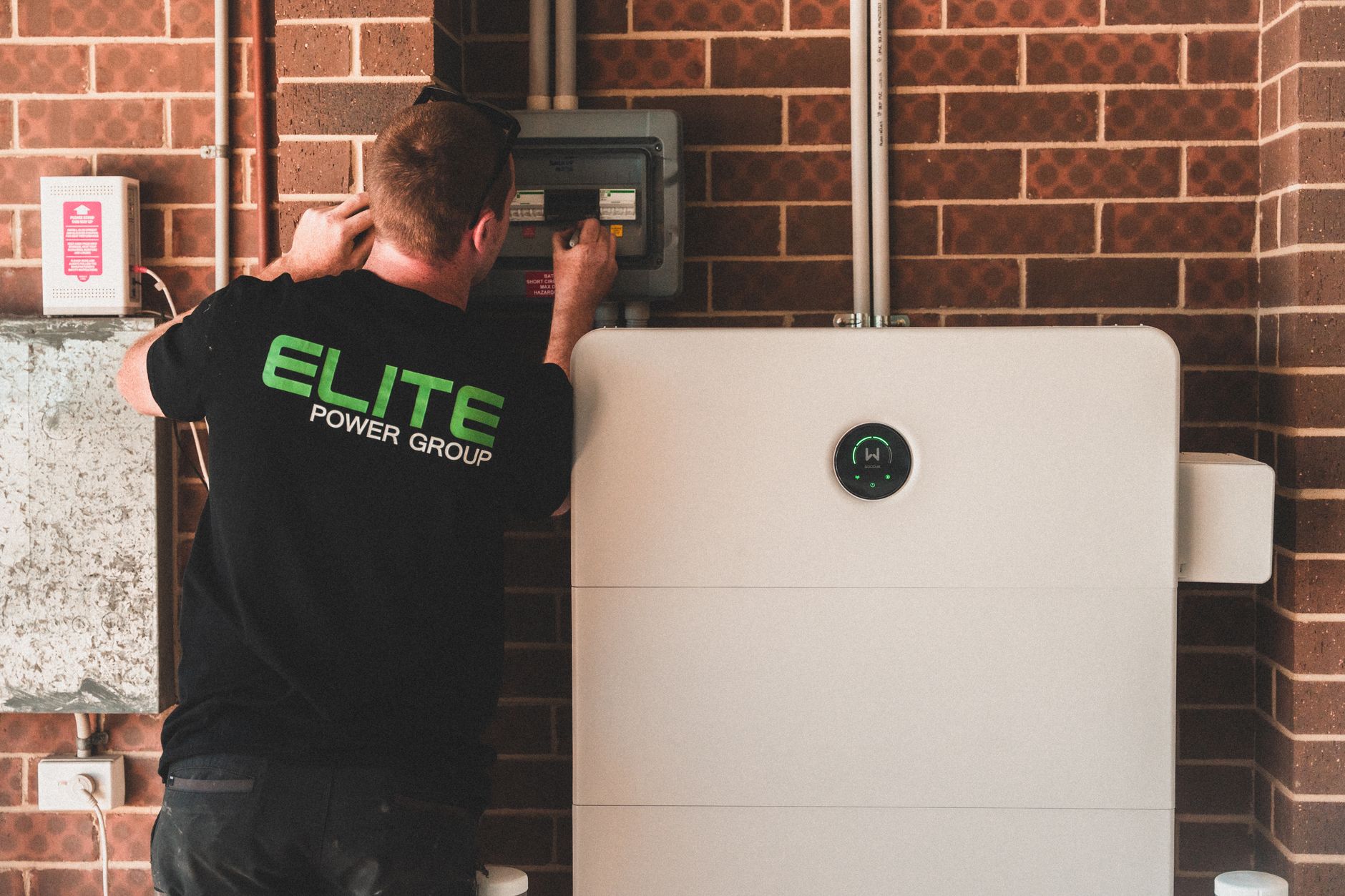
Quick Answer: Prevent home battery fires by using certified lithium iron phosphate or UL 9540A-tested systems, hiring a licensed Ontario electrician, installing away from living areas, keeping operating temperatures between 5°C and 35°C, and monitoring for swelling, heat, or error codes. Smoke and heat detectors plus regular professional maintenance reduce risk sharply. Home battery systems are changing how Ontario households ride out blackouts, from the 2013 ice storm to the more recent outages documented in our Ontario ice storm power outage prep guide. A properly installed battery bank can keep a fridge, furnace, and medical gear running for hours or days. Still, the same stored energy that runs your home can become a fire hazard if installation or maintenance goes wrong. Fires are rare, but they are serious enough that every owner should treat battery safety as a core part of the backup plan. That starts with choosing certified equipment and ends with daily habits that catch early warning signs. ...

September 7, 2026 · 17 min · Jarrod Gravison
Jackery Explorer 300 v2 Portable Power Station: Ontario Backup Tested

Jackery Explorer 300 v2 Portable Power Station: Ontario Backup Tested

Quick Answer: The Jackery Explorer 300 v2 is a 288Wh LiFePO4 power station with 300W continuous output and a 600W surge rating. It will run a CPAP or router for hours, but it cannot start a typical fridge compressor. Budget around $269 USD. For Ontario winter outages, treat it as a small-load backup, not a whole-home solution. Ontario backup planning often gets reduced to one question: will it run the furnace? The Jackery Explorer 300 v2 will not. What it will do is keep the small but critical loads alive during the first 12 hours of an ice storm. The Ontario Energy Board tracks distribution reliability, and after freezing rain events many households face outages long enough to kill internet modems, CPAP machines, and phone batteries. That is where a 288Wh unit earns its place. It is not a substitute for a standby generator. It is a silent, indoor-safe first layer. ...

September 7, 2026 · 12 min · Jarrod Gravison
Photo by Elite Power Group

Jackery Power Station: 5 Models Compared for Ontario Home Backup

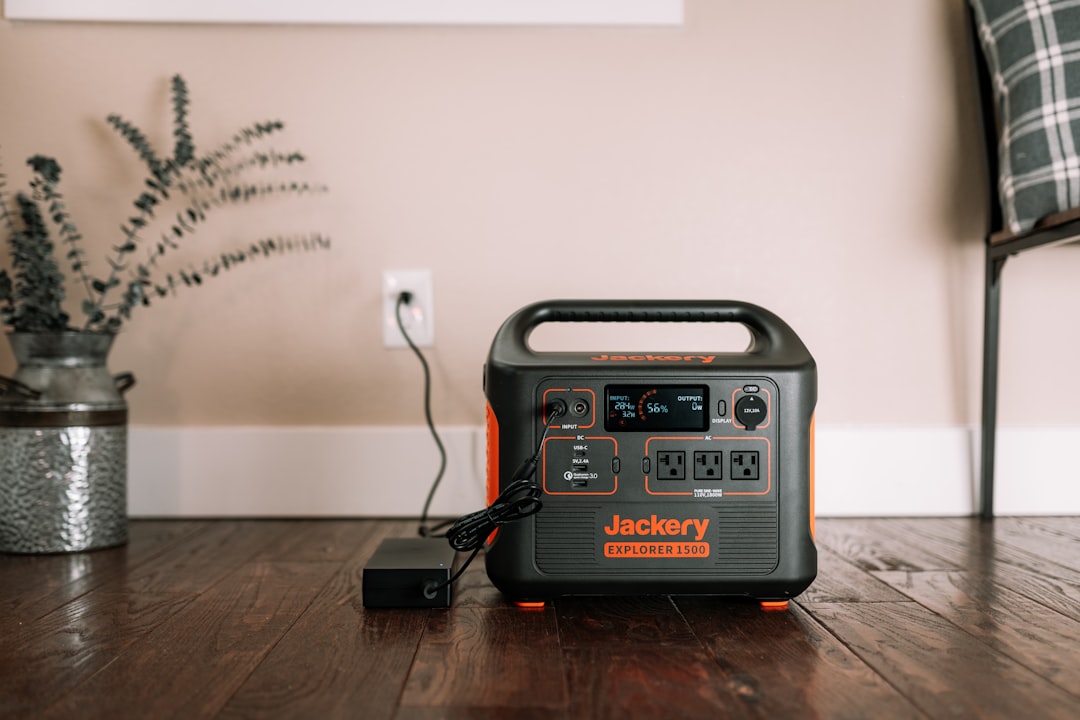
Quick Answer: For most Ontario homes, the Jackery Explorer 2000 Plus is the best balance of price, output, and expandable battery capacity. It runs a fridge, furnace blower, and lights during a typical 8-hour outage. The smaller Explorer 1000 Plus suits apartments and CPAP users. The Explorer 3000 Pro handles heavier loads but costs more. Ontario grid reliability is not what it used to be. Ice storms, wet snow, and summer windstorms regularly knock out power to rural and urban homes across the province. When the lights go out for six hours or more, a portable power station becomes a practical backup. A Jackery power station stores electricity in a battery and delivers it through AC and USB ports without fuel, exhaust, or engine noise. Homeowners who cannot run a gas generator on a condo balcony or apartment patio now have a real option. For a deeper look at this category, see our best portable power station guide. ...

September 7, 2026 · 13 min · Jarrod Gravison
Tesla Powerwall vs Enphase vs Franklin Whole-House Battery Backup

Tesla Powerwall vs Enphase vs Franklin Whole-House Battery Backup

Quick Answer: All three systems provide automatic home backup, but the best pick depends on your peak loads. Tesla Powerwall 3 leads with 11.5 kW continuous output. Enphase IQ Battery 5P is the most modular. Franklin WH aPower 2 combines 13.6 kWh with a 10 kW inverter and a 15-year warranty. Ontario installations need ESA inspection. Ontario homeowners are watching outage risks rise as ice storms, extreme heat, and aging grid assets strain local utilities. A whole-house battery backup system can keep your furnace, sump pump, fridge, and communication gear running when the grid fails. According to the EIA, U.S. utility customers averaged about 5.5 hours of electric interruptions in 2023, and Ontario residents face similar weather-driven risks. The three systems most often compared today are the Tesla Powerwall 3, Enphase IQ Battery 5P, and Franklin WH aPower 2. This article breaks down specs, costs, and Ontario installation rules so you can make a clear decision. ...

August 16, 2026 · 10 min · Jarrod Gravison
Tesla Powerwall vs Enphase IQ Battery 2026: Which Home Battery Wins?

Tesla Powerwall vs Enphase IQ Battery 2026: Which Home Battery Wins?

Quick Answer: For most Ontario homeowners, the Tesla Powerwall 3 wins on raw capacity and whole-home surge output, while the Enphase IQ Battery 5P wins on modular design and microinverter integration. If you need the most backup kilowatt-hours per dollar, pick Powerwall. If you have an Enphase solar array or want smaller, scalable storage, pick IQ Battery. Ontario backup power is no longer about a small gas generator in the shed. Freezing rain events, summer thunderstorm lines, and aging local grids now push homeowners toward permanent battery storage. Our emergency power statistics 2026 roundup shows why: longer rural restorations and more frequent weather-related failures. The Tesla Powerwall 3 and Enphase IQ Battery 5P are the two names most Ontario homeowners ask about in 2026. They both store solar energy and grid power, then feed it back when the utility fails. But they are not the same product. One behaves like a large central power plant. The other behaves like a stack of smaller, smarter battery modules. ...

August 16, 2026 · 13 min · Jarrod Gravison
Do Solar Panels Work During a Power Outage in Ontario?

Do Solar Panels Work During a Power Outage in Ontario?

Quick Answer: Most grid-tied solar panels stop producing power during an outage by design. They must disconnect to protect utility line workers. To use solar power when the grid fails, you need a hybrid inverter, battery storage, or an off-grid inverter with a properly installed transfer switch. Many Ontario homeowners believe rooftop solar panels will keep their lights on during a blackout. That assumption is dangerous. A standard grid-tied solar system shuts off when the utility grid fails. This is not a defect. It is a required safety feature built into every certified grid-tied inverter. ...

August 16, 2026 · 10 min · Jarrod Gravison
Propane vs Natural Gas Generator: Which Fuel Is Better for Ontario?

Propane vs Natural Gas Generator: Which Fuel Is Better for Ontario?

Quick Answer: For most Ontario homes with an existing natural gas line, a natural gas standby generator is cheaper to run and never needs a fuel delivery. Propane is better for rural properties without gas service because it stores safely on site. Natural gas wins convenience, propane wins resilience. Match the fuel to your property, not your wish list. Ontario homeowners keep learning the same hard lesson. Winter ice storms, spring wind events, and summer transformer failures knock out power for hours or days. A 2024 Hydro One reliability report showed that rural customers in parts of central Ontario averaged more than 14 hours of outage time per year. Urban customers face shorter but still disruptive outages. When the grid fails, a standby generator can keep sump pumps, furnaces, freezers, and medical equipment running. Before you buy, read our emergency power statistics for 2026 and our Ontario ice storm prep guide to see what you are actually preparing for. ...

August 16, 2026 · 13 min · Jarrod Gravison
How to Power Your Well Pump During an Outage in Ontario

How to Power Your Well Pump During an Outage in Ontario

Quick Answer: Your well pump needs a backup source matched to its starting watts. Most 1/2 HP 240V pumps need a generator or battery inverter rated for 2,000 to 3,000 starting watts. Install a proper inlet and transfer switch, run the generator outside, and test the setup before outage season. When the grid goes down in rural Ontario, a well pump is one of the first things you notice. No power to the pump means no water pressure, no flushing toilets, and no tap water for drinking or cleaning. The solution is not simply plugging the pump into any portable generator. You need a backup source that matches the pump’s voltage and starting surge, plus a safe connection that protects your home and utility workers. Start by understanding your pump’s electrical load and then work through this complete plan. ...

August 16, 2026 · 13 min · Jarrod Gravison
How to Prep for an Ontario Ice Storm Power Outage

How to Prep for an Ontario Ice Storm Power Outage

Quick Answer: Start before the freezing rain hits. Install or test a CSA-certified carbon monoxide alarm, size a portable generator or power station for your fridge and furnace, plan an outdoor generator location, and stock food, water, and heat. A 2,000-watt inverter generator can keep a fridge running, but a furnace or well pump may need 3,000 to 7,000 watts. Ontario ice storms are not rare. The 2013 Toronto ice storm knocked out power to about 600,000 customers in the Greater Toronto Area, and some homes stayed dark for days. The 1998 storm left millions in Quebec and Ontario without power for weeks. Freezing rain adds weight to trees and power lines. Branches snap and lines fall. A few hours of freezing rain can turn a normal winter day into a multi-day emergency. The time to prepare is before the storm, not after the lights go out. This checklist starts with the equipment you actually need and works through safety. See best portable generators 2026 and whole-house battery backup for the main options. ...

August 16, 2026 · 15 min · Jarrod Gravison
Off-Grid Power for Tiny Homes: Solar, Wind and Battery (2026)

Off-Grid Power for Tiny Homes: Solar, Wind and Battery (2026)

Quick Answer: A practical Ontario tiny home system pairs a 2 to 4 kW solar array with 10 to 20 kWh of lithium storage. Add a backup generator for winter. Budget $18,000 to $35,000 CAD and get an ESA permit before wiring. A tiny home can run fully off grid in Ontario, but the power system has to match the building. Many owners underestimate how much energy a small house still needs. A fridge runs all day. A water pump cycles often. Electronics stay plugged in. During a cloudy winter week, these loads add up quickly. You cannot treat an off-grid tiny home like a cabin with an extension cord. The system must cover heavy draw, low sun, and cold battery performance. The first step is a load audit. That number guides every other choice. This guide explains solar, wind, and battery storage with realistic Ontario numbers. ...

August 16, 2026 · 13 min · Jarrod Gravison
How to Survive a Week-Long Power Outage: The Complete Checklist

How to Survive a Week-Long Power Outage: The Complete Checklist

Quick Answer: Start with water, food, medication, and a safe heating or power plan. Size a portable generator or power station for your fridge, furnace fan, sump pump, and CPAP. Store 3 to 7 days of fuel, test carbon monoxide alarms, and never run a generator indoors. A week-long outage means daily fuel checks, rationing, and knowing what to shut off. A week-long power outage in Ontario is not an exaggeration. The 2013 ice storm left hundreds of thousands of homes in the dark for days, and some went more than a week without utility power. Wind storms, freezing rain, and local transformer failures have all caused multi-day outages in Ontario. If you start planning only when the lights go out, you will already be behind. This checklist assumes a full seven days without grid power, because fuel, food, and patience all run out faster than most people expect. Before buying anything, compare options in best home backup power 2026. ...

August 16, 2026 · 14 min · Jarrod Gravison
How to Size a Generator for Your Home: Complete Wattage Guide

How to Size a Generator for Your Home: Complete Wattage Guide

Quick Answer: Add running watts of every load you plan to power at once, then add the single largest starting surge. Most Ontario homes with a fridge, freezer, furnace, and well pump need 7,000 to 10,000 running watts. Install a transfer switch with a licensed electrician. A generator is only as useful as the load it can actually support. Many Ontario homeowners buy a portable unit on sale, take it home, and then trip breakers when the furnace, well pump, and fridge start together. Sizing starts with a list of what must run during an outage, not a guess. This guide walks through the math in plain language. If you are still comparing whole-home options, see our best-home-backup-power-2026 roundup. ...

August 16, 2026 · 12 min · Jarrod Gravison
How to Calculate Portable Power Station Refrigerator Runtime

How to Calculate Portable Power Station Refrigerator Runtime

Quick Answer: A 1,000Wh portable power station runs an Energy Star refrigerator drawing 150 running watts for roughly 5 to 7 hours. A 2,000Wh station can last 10 to 14 hours. Startup surge, ambient temperature, and compressor duty cycle can reduce runtime by 20 to 40 percent. A refrigerator is one of the first appliances Ontario homeowners want to protect during a blackout. Food spoils quickly when the compressor stops. A portable power station can buy you hours or even a full day of cold storage. But many people guess at runtime and end up with spoiled milk and thawed meat. Before you spend money on a battery, you need a repeatable calculation. Our guide to the best portable power station covers top-rated units, but this article focuses on the math, the startup surge, and the food safety limit. ...

August 16, 2026 · 12 min · Jarrod Gravison
How to Know How Long Food Lasts Without Power: Complete Fridge Guide

How to Know How Long Food Lasts Without Power: Complete Fridge Guide

Quick Answer: A full freezer keeps food safe for about 48 hours if the door stays closed. A half-full freezer lasts about 24 hours. Refrigerated food stays safe for only 4 hours. Keep the fridge at or below 4°C and the freezer at -18°C. When in doubt, throw it out. Power outages hit Ontario every season, from ice storms to summer heat waves. Many homeowners focus on lights and heat, but the quiet risk is food spoilage. Health Canada warns that food left above safe temperatures can grow harmful bacteria. You may not see or smell a problem. Knowing how long food lasts without power prevents waste and illness. This guide gives refrigerator and freezer timelines, step by step. We also cover backup power options like portable power stations and standby generators. ...

August 16, 2026 · 14 min · Jarrod Gravison